
A housewarming party blueprint for new homeowners is exactly what you need to turn your new house into a warm, welcoming space where friends and family can celebrate with you.
Moving into a new home is exciting, but between unpacking boxes, arranging furniture, and handling unexpected expenses, planning a housewarming party can feel like one more thing on an already long to do list.
If you want a cozy gathering with close friends, a fun family party, or a stylish celebration with delicious food and beautiful decorations, you can create an event that reflects your personality and makes everyone feel welcome.
In this guide, you will discover practical housewarming party ideas, easy decoration tips, food and drink suggestions, entertaining games, affordable gift ideas, and a simple planning checklist to help you stay organized. You will also learn how to prepare your home, manage your budget, and avoid common hosting mistakes.
Ready to celebrate your new beginning without unnecessary stress or overspending? Let’s explore how to plan a housewarming party your guests will enjoy and remember.
See 30 finger foods ideas for parties you will love
Housewarming Party Ideas for New Homeowners
Choosing the right housewarming party ideas for new homeowners starts with thinking about the kind of celebration you want. You may prefer a quiet afternoon with close friends, a lively gathering with family, or a stylish party where everyone can enjoy good food, music, and conversation.
The best housewarming party is one that suits your personality, fits your budget, and makes your guests feel welcome.
You do not need a fully furnished home or expensive decorations to host a memorable event. A clean space, comfortable seating, tasty refreshments, and thoughtful details can make a big difference. Here are ten housewarming party ideas to help you celebrate your new home in a way that feels special.
Housewarming Party Decorations for a New Home
Housewarming party decorations for a new home help you create a welcoming atmosphere where friends and family can relax and celebrate your new beginning. You do not need expensive decorations or a professionally designed space to make your home look beautiful. A few thoughtful touches can transform your living room, dining area, entrance, or backyard into a lovely setting for your celebration.
The secret is to choose decorations that complement your home’s existing style, fit your budget, and leave enough room for guests to move around comfortably. Whether you prefer a modern look, a cozy atmosphere, or simple DIY decorations, these ideas will help you prepare a beautiful space without unnecessary stress.
1. Welcome Signs at the Entrance

A welcome sign is a simple way to make guests feel appreciated as soon as they arrive at your new home. It also creates a lovely first impression and helps set the mood for your celebration.
You can place a framed welcome message on a small table near the entrance, hang a decorative sign on the front door, or use a chalkboard with a handwritten greeting. Messages such as “Welcome to Our New Home” or “Home Sweet Home” work well for most housewarming parties.
To make the display more attractive, add a small vase of flowers, a potted plant, or a few battery operated lights. Choose colors that match your party theme so the entrance feels coordinated.
If you are working with a tight budget, create your own sign using cardboard, craft paper, or an inexpensive picture frame. A neat, personalized message can look just as inviting as a store bought decoration.
2. Fresh Flowers and Greenery
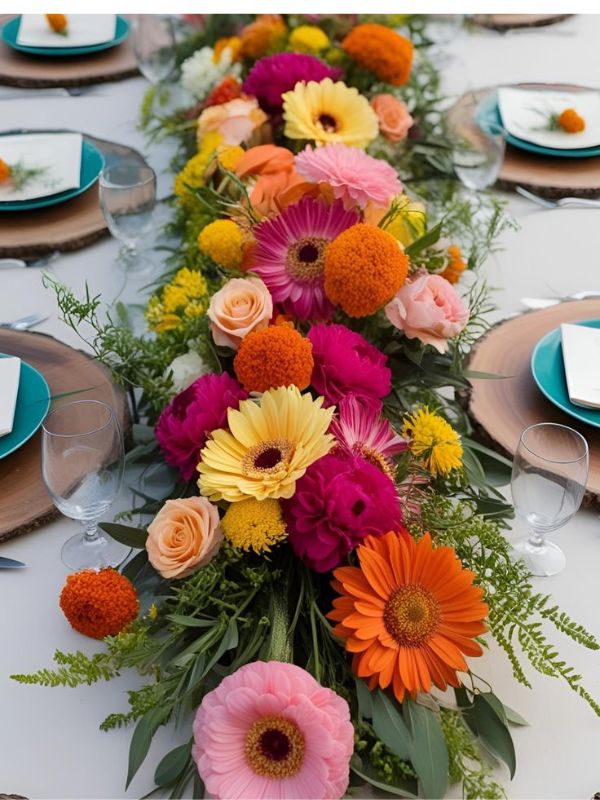
Fresh flowers and greenery bring color, freshness, and natural beauty into your home. They work especially well for housewarming parties because they make ordinary spaces feel more welcoming without requiring elaborate decorations.
Place a small flower arrangement on the dining table, coffee table, kitchen counter, or welcome table. You can also use potted plants to decorate corners that look empty.
Choose flowers that complement your home’s colors. White flowers create a clean, elegant appearance, while colorful blooms add energy to a casual celebration. Green leaves and simple branches are useful if you prefer a natural or minimalist style.
You do not need to buy large bouquets for every room. A few small arrangements placed strategically can make a noticeable difference.
If you want decorations that last beyond the party, use indoor plants or artificial flowers. You can keep them as part of your regular home decor after your guests leave.
3. Simple Balloon Decorations

Balloons are an easy way to add color and a festive feeling to your housewarming party. They are suitable for casual gatherings, family celebrations, and more stylish events when you choose the right colors and arrangement.
Select two or three colors that complement your party theme. For example, white and gold can create an elegant look, while green and cream suit a natural theme. Bright colors work well for a lively family gathering.
You can create a small balloon arrangement beside the welcome sign, place a few balloons around the photo area, or use a simple balloon garland above a serving table.
Avoid filling every corner with balloons, especially if your home has limited space. Too many decorations can make movement difficult and distract from the beauty of your home.
For a budget friendly option, inflate the balloons yourself and concentrate them in one main area. This creates a decorative focal point without requiring a large display.
4. Cozy Living Room Decorations
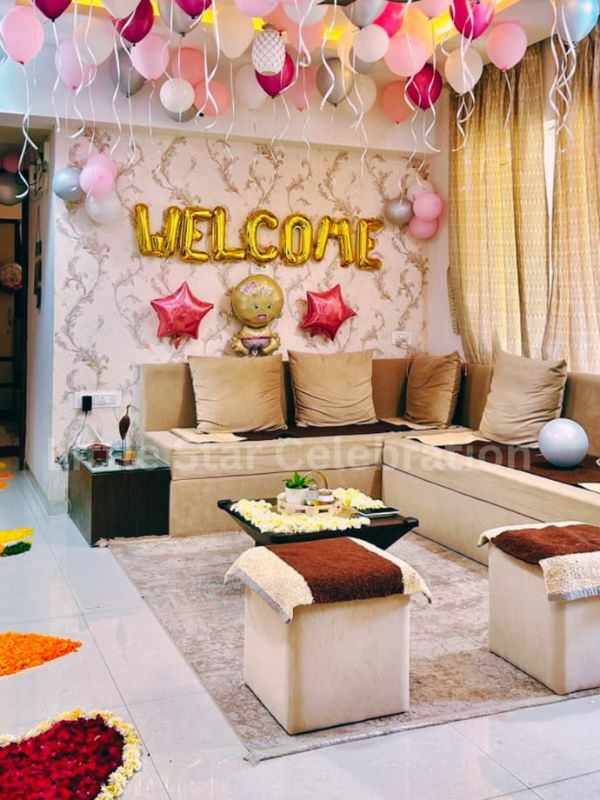
Your living room will probably be one of the main gathering areas during the housewarming party. Decorating it thoughtfully can help guests feel comfortable while giving them a chance to appreciate your new space.
Start by arranging your sofas and chairs to encourage conversation. Add clean throw pillows, a soft blanket, and a small centerpiece to your coffee table. If your furniture is still limited, borrow a few extra chairs or arrange floor cushions where appropriate.
Use warm lighting from lamps or battery operated lights to create a relaxed atmosphere. You can also add a few plants, framed photographs, or simple decorative objects that reflect your personality.
Keep the room open enough for guests to move freely. Avoid placing decorations on every available surface because the living room also needs space for drinks, snacks, and personal belongings.
The best approach is to make the space feel like a comfortable home rather than a room prepared only for photographs.
5. Dining Table Centerpieces
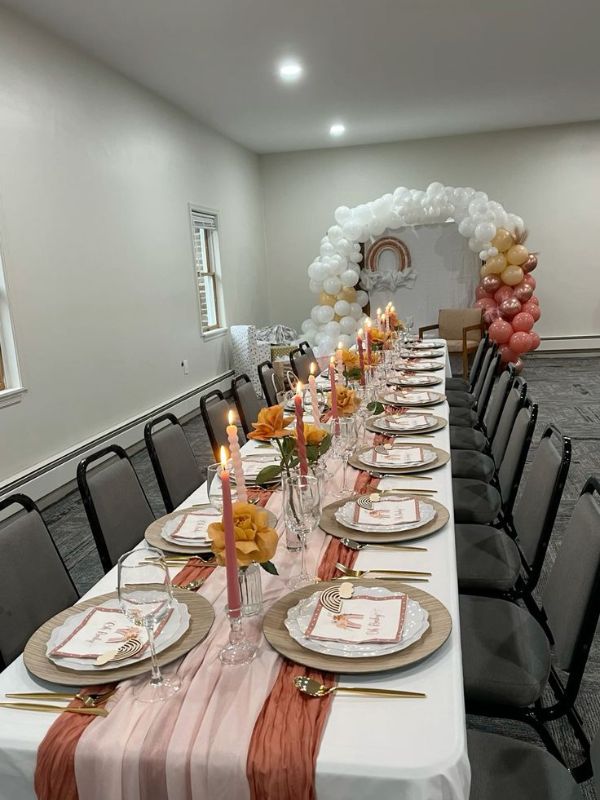
A well decorated dining table can become an attractive focal point, especially if you plan to serve a meal or arrange a buffet for your guests.
Start with a clean tablecloth, runner, or placemats that match your party colors. Add a simple centerpiece, such as a vase of flowers, a bowl of fresh fruit, or a small arrangement of greenery.
If you plan to serve food on the dining table, keep the centerpiece low and compact so it does not block guests’ views or take up valuable serving space.
For a more polished appearance, use matching plates, cups, napkins, and serving dishes where possible. You do not have to purchase an entirely new tableware set. Clean items you already own can look attractive when arranged neatly.
You can also create a separate decorative table for the cake, desserts, or drinks if your dining area is large enough.
Remember that your table should remain practical. Beautiful decorations are helpful, but guests need enough room to eat and serve themselves comfortably.
6. String Lights and Soft Lighting
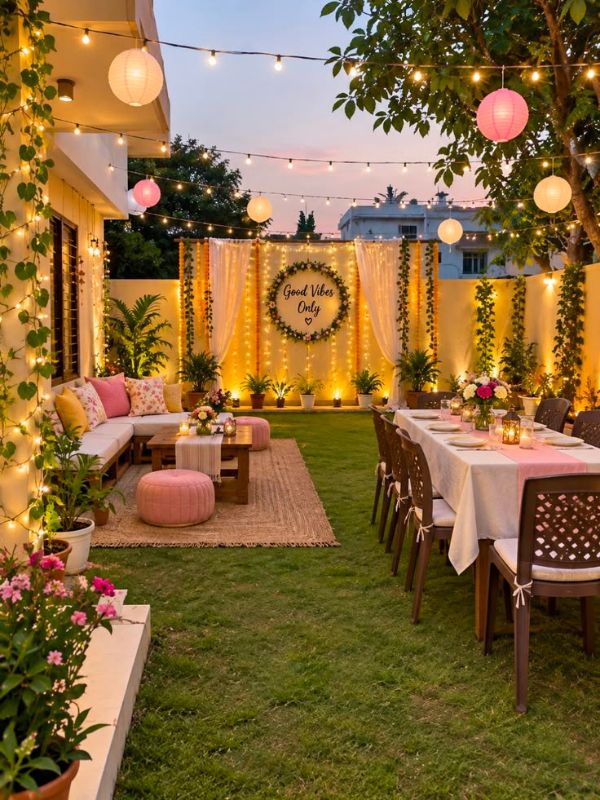
Lighting can change the entire atmosphere of a housewarming party. Soft lighting creates a warm and inviting environment, particularly for evening celebrations.
You can place string lights along a balcony railing, around a suitable indoor display, or across an outdoor seating area. Table lamps and battery operated decorative lights can also add warmth to your living room.
For a modern look, choose simple warm white lights. If your party has a colorful theme, you can use colored lights sparingly to complement the decorations.
Avoid placing lights where they create glare or make it difficult for guests to see clearly. Keep electrical cables away from walkways and food preparation areas.
If you are hosting an outdoor party, choose lights designed for outdoor use and follow the manufacturer’s instructions.
Soft lighting works best when combined with clean surroundings and comfortable seating. It adds atmosphere without requiring expensive furniture or elaborate decorations.
7. Personalized Home Decor
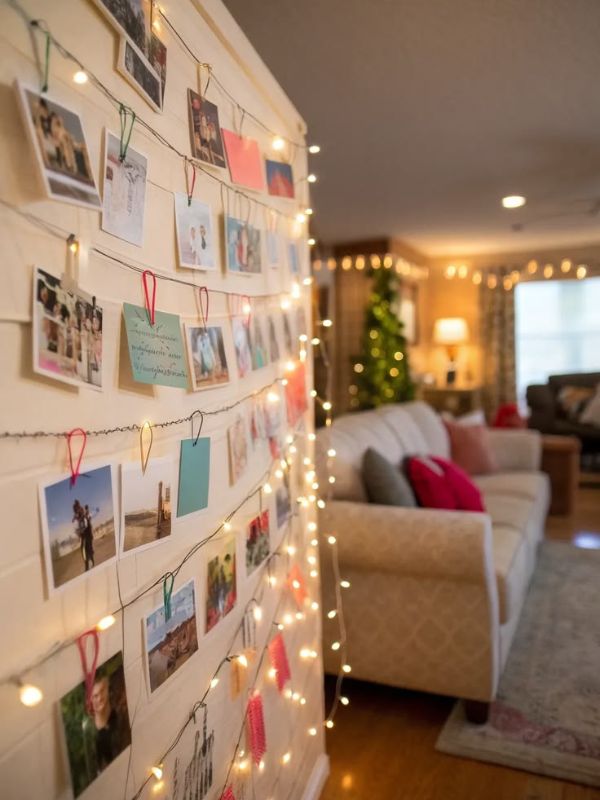
Personalized decorations make your housewarming party feel meaningful because they celebrate your journey into your new home.
You can display a framed family photograph, create a small sign featuring your family name, or place a card with the date you moved into your home on a decorative table.
Another idea is to create a memory corner with photographs from your moving journey, renovation process, or first moments in the house. Guests may enjoy seeing how the space has changed and hearing the story behind it.
If you are hosting with a partner or family, choose decorations that reflect your shared interests and personality. These could include favorite colors, meaningful quotes, or objects connected to your traditions.
Keep personal displays organized and avoid placing valuable or fragile items where guests may accidentally damage them.
The goal is to help your home feel personal and lived in. You do not need to reveal every detail of your life to create a meaningful display.
8. DIY Housewarming Decorations

DIY housewarming decorations are ideal if you want to personalize your party while saving money. Making a few decorations yourself can also be enjoyable, especially when you have friends or family members willing to help.
One easy project is a handmade welcome sign. Use a piece of cardboard, sturdy paper, or an inexpensive frame, then write a greeting with markers or paint.
You can also decorate glass jars as flower vases, create paper garlands, make simple table centerpieces, or reuse clean bottles as decorative containers.
For a memory station, place cards and pens on a small table so guests can write advice, wishes, or encouraging messages for your new home.
Before starting a DIY project, check what materials you already have. Choose projects that require little time and avoid complicated designs that may leave you rushing before the party.
DIY decorations should make planning easier, not create another stressful task. A few neat handmade pieces can add more personality than a room filled with expensive decorations.
9. Budget Friendly Party Decorations

Decorating your new home does not have to consume a large part of your housewarming budget. You can create a beautiful setting by focusing on a few important areas instead of buying decorations for every room.
Begin by checking what you already own. Cushions, tablecloths, lamps, picture frames, plants, and serving trays may be enough to create an attractive display.
Choose one color scheme and use it consistently across your welcome sign, table decorations, and serving area. This makes the party look coordinated without requiring many different items.
You can save money by buying only the supplies you need, making your own decorations, and borrowing items from friends. Fresh greenery, simple paper decorations, and reusable tableware can also help reduce costs.
If you have limited funds, prioritize the entrance, living room, and food table. These are areas guests are likely to notice and use most.
Avoid buying decorations simply because they look attractive in a shop. Choose items that fit your space and serve a clear purpose. After the party, keep reusable pieces for future celebrations or incorporate them into your everyday home decor.
10. Outdoor Housewarming Decorations

If your new home has a garden, patio, balcony, or backyard, outdoor decorations can help you create an inviting space for guests to relax and socialize.
Start by cleaning the area and arranging chairs around a central table or open space. Add potted plants, simple flowers, or a small welcome sign to make the area feel festive.
For evening parties, use suitable outdoor string lights or lanterns to provide comfortable lighting. A tablecloth, reusable serving trays, and coordinated napkins can also make an outdoor food area look organized.
If you are hosting a casual gathering, consider adding cushions to outdoor seating and placing a few small tables where guests can set down their drinks.
Keep pathways clear and arrange decorations so they do not interfere with movement. If the weather is unpredictable, have an indoor alternative ready or provide appropriate shade.
You should also consider the number of guests, available seating, and any shared outdoor space rules before setting everything up.
Outdoor decorations work best when they complement the natural surroundings rather than compete with them. A few plants, comfortable chairs, and thoughtful lighting may be all you need.
Final Tips for Decorating Your New Home
Before buying anything, decide on your party style, budget, and the areas you want to decorate. Choose decorations that match your existing home rather than trying to change the entire space for one event.
Focus on comfort, cleanliness, and easy movement. Make sure your decorations leave enough room for guests to sit, eat, and socialize.
Most importantly, remember that your guests are coming to celebrate your new beginning, not inspect your decorating skills. A welcoming atmosphere, thoughtful details, and a relaxed host will make your housewarming party special.
Housewarming Party Food Ideas for Guests
Choosing the right housewarming party food ideas for guests can make your celebration more enjoyable without leaving you stuck in the kitchen all day. Whether you are hosting a small gathering with close friends or inviting a large group of family members, serving delicious, easy to eat food helps everyone feel welcome.
The good news is that you do not need an expensive menu to impress your guests. You can serve homemade snacks, simple appetizers, filling main dishes, sweet treats, and refreshing drinks based on your budget and the time you have available. The key is to choose food that suits your guests, fits your party style, and is easy to prepare and serve.
Here are ten practical housewarming party food ideas to help you plan a delicious menu for your new home celebration.
1. Easy Finger Foods

Finger foods are excellent for housewarming parties because guests can enjoy them while standing, chatting, or moving around your home. They are especially useful when you want to keep the gathering casual without arranging a formal meal.
Consider serving mini sandwiches, sausage rolls, spring rolls, small meat pies, chicken bites, or bite sized pastries. These options are easy to portion and can be arranged on trays for guests to pick up whenever they want.
For a balanced spread, combine two or three savory options with fresh fruit or a light snack. Place small plates and napkins nearby to make serving easier and reduce mess.
You can prepare some finger foods ahead of time and heat them shortly before guests arrive. If you are buying them from a bakery or caterer, confirm the delivery time so everything is ready when needed.
Choose a variety of options to suit different preferences, and avoid preparing too many items. A few well presented finger foods can satisfy guests without stretching your budget.
2. Appetizers and Party Snacks

Appetizers and party snacks are perfect for welcoming guests while they wait for the main meal or simply enjoy casual conversation. They are easy to serve and allow you to offer variety without preparing a full menu.
Popular choices include crackers with cheese, vegetable sticks with dip, roasted nuts, popcorn, plantain chips, small samosas, and bite sized pastries. You can also prepare a simple snack platter with cucumber slices, carrots, crackers, and a homemade dip.
Arrange the snacks on serving trays or in separate bowls around the living room or dining area. If you have several guests, place them in more than one location to prevent everyone from crowding around a single table.
For a budget friendly approach, combine homemade snacks with a few store bought options. You can prepare popcorn, cut vegetables, or make simple dips at home while purchasing only the items that require more time.
Remember to refill serving bowls when necessary and keep snacks covered until guests are ready to eat.
3. Homemade Main Dishes

If your housewarming party falls around lunchtime or dinner, homemade main dishes can help guests feel satisfied. Preparing familiar meals is often more affordable than ordering an entire menu from a caterer.
Choose dishes that you can cook in larger quantities without spending the entire day in the kitchen. Depending on your preferences and guests, options may include fried rice, jollof rice, coconut rice, pasta, roasted chicken, grilled fish, or a simple vegetable dish.
For a Nigerian housewarming party, you could serve jollof rice with grilled chicken, fried plantain, and a fresh salad. If you prefer a lighter meal, pasta with vegetables and chicken can also work well.
Choose a menu that suits the number of guests and the equipment available in your kitchen. Avoid selecting several complicated dishes that require constant attention at the same time.
Prepare ingredients in advance, cook what you can ahead of time, and use suitable serving dishes to keep the meal organized. This allows you to spend more time celebrating instead of managing multiple pots throughout the party.
4. Buffet Style Party Food
A buffet is a practical way to serve food at a housewarming party, especially when you expect many guests. It allows people to choose what they want and makes it easier for you to manage the meal.
Start by selecting a sturdy table or counter with enough room for the dishes. Arrange plates and cutlery at one end, followed by the main dishes, side dishes, sauces, and serving utensils.
Your buffet could include rice, chicken, vegetables, salad, plantain, pasta, or other meals that suit your guests. For a smaller gathering, you can create a simple buffet with just two main dishes and a few sides.
Keep hot foods at safe serving temperatures and cold foods properly chilled. Refill smaller serving dishes as needed instead of placing all the food on the table at once.
If space is limited, set up the buffet in a separate area from the main seating arrangement. This helps prevent crowding and gives guests room to serve themselves comfortably.
A well planned buffet reduces the pressure on the host and allows everyone to enjoy the celebration at their own pace.
5. Charcuterie Boards and Snack Platters

Charcuterie boards and snack platters create an attractive food display without requiring complicated cooking. They are particularly suitable for afternoon gatherings, cocktail style parties, and small celebrations where guests prefer to nibble while chatting.
You can prepare a board with cheese, crackers, bread, grapes, apple slices, nuts, olives, and cured meats if desired. For a more affordable version, use biscuits, fresh fruit, roasted groundnuts, sliced vegetables, and small pastries.
Arrange the items in separate groups on a large tray or chopping board. Place dips in small bowls and leave enough space for guests to pick up food easily.
You do not need to purchase a special wooden board. A clean serving tray or large plate can work just as well.
For guests with different dietary preferences, consider creating a separate fruit and vegetable platter. Label foods where necessary, especially when ingredients may contain common allergens.
Prepare fresh items close to serving time and keep perishable ingredients refrigerated until needed. These simple steps help your platter remain attractive and suitable for guests to enjoy.
6. Grilled Food for Outdoor Parties
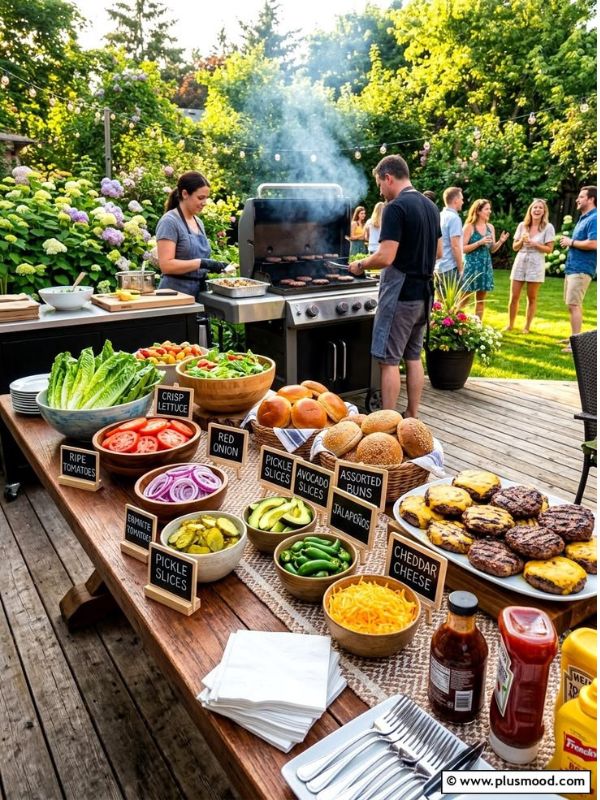
If your housewarming party includes a backyard, garden, patio, or other suitable outdoor space, grilled food can add a relaxed and enjoyable touch to the celebration.
Depending on your preferences, you can serve grilled chicken, fish, beef kebabs, corn on the cob, sausages, or grilled vegetables. Pair them with simple sides such as rice, salad, bread, roasted potatoes, or fried plantain.
Marinate meats and prepare vegetables ahead of time to reduce the work you need to do during the party. You can also prepare sauces and side dishes earlier so that the grilling area remains manageable.
If you do not want to grill everything yourself, consider asking a family member to help or ordering some items from a trusted food vendor.
Arrange a separate serving table for cooked food and provide plates, napkins, and suitable utensils. Keep raw ingredients separate from cooked food, and make sure meats are cooked thoroughly.
Grilled food works particularly well for casual celebrations because guests can eat comfortably while enjoying the outdoor setting.
7. Vegetarian Housewarming Party Food

Including vegetarian food ensures that guests who do not eat meat have enjoyable options at your celebration. You do not need to prepare an entirely separate menu. A few thoughtfully chosen dishes can provide enough variety.
Consider vegetable spring rolls, bean cakes, vegetable fried rice, pasta with tomato sauce, roasted potatoes, fresh salads, or grilled vegetables. Fruit platters, bread, crackers, and homemade dips can also complement the menu.
For a Nigerian inspired menu, you could include moi moi, akara, vegetable rice, roasted plantain, or beans dishes. Confirm the ingredients if you are catering to strict vegetarians, since some recipes may contain meat stock, fish, or other animal products.
Arrange vegetarian dishes on a separate section of the buffet and use separate serving utensils to prevent accidental mixing with meat dishes.
You should also ask guests about allergies and other dietary requirements before finalizing your menu. Providing clear choices helps everyone feel considered and welcome.
A few satisfying vegetarian dishes can make your housewarming party more inclusive without significantly increasing your spending.
8. Desserts and Sweet Treats

Desserts add a sweet finishing touch to your housewarming party and can make your food table feel more complete. You do not need an elaborate dessert menu to impress your guests.
Simple options include cupcakes, brownies, cookies, doughnuts, small slices of cake, fruit salad, or mini pastries. If you enjoy baking, prepare one homemade dessert and combine it with a few affordable store bought treats.
You can also serve a cake decorated with a message such as “Welcome Home” if you want something special for the occasion. This can double as a centerpiece and provide a memorable moment when you cut it with your guests.
Arrange desserts on tiered trays or clean serving plates to create an attractive display. If children will attend, consider including a few familiar treats they can easily enjoy.
Prepare desserts in advance whenever possible. This reduces last minute work and gives you more time to focus on other party arrangements.
Keep cream based desserts and other perishable treats properly refrigerated until serving. A small, neatly arranged dessert table can make your celebration feel thoughtful without adding too much expense.
9. Make Ahead Party Food

Make ahead party food is ideal for new homeowners who want to enjoy their celebration instead of spending most of the day cooking. Preparing suitable dishes in advance reduces stress and helps you stay organized.
Choose foods that retain their quality when prepared earlier. These may include pasta salads, baked pastries, marinades, sauces, chopped vegetables, desserts, and some casseroles or rice dishes that can be reheated safely.
Create a simple preparation schedule. Two days before the party, shop for ingredients and prepare items that keep well. The day before, make desserts, prepare sauces, and organize serving dishes. On the party day, focus on reheating food safely, cooking fresh items, and arranging the buffet.
Avoid preparing every dish too early. Some foods lose their texture or freshness when stored for too long, so check the storage requirements for each recipe.
Refrigerate perishable food promptly and use appropriate containers. When reheating cooked dishes, heat them thoroughly and serve them at safe temperatures.
The main benefit of make ahead food is that it gives you more freedom to welcome guests, take photographs, and enjoy your new home without feeling overwhelmed.
10. Affordable Food Ideas for a Crowd

Feeding a large group does not have to be expensive. With careful planning, you can prepare enough food for your guests while keeping your housewarming party budget under control.
Start by estimating the number of people who will attend. Ask guests to confirm their attendance and decide whether you are serving snacks, a full meal, or both. This helps you avoid buying too much food.
Choose affordable dishes that can serve several people, such as rice, pasta, beans, potatoes, homemade sandwiches, seasonal fruit, or simple vegetable dishes. In Nigeria, jollof rice, moi moi, fried plantain, and homemade pastries can be useful options depending on your budget and guest preferences.
Prepare a limited menu rather than trying to offer every type of food. For example, serve one main dish, one protein option, two sides, and a simple dessert. Add snacks only if your budget allows.
Buy ingredients in sensible quantities, compare prices, and use foods that are in season. Cooking at home can also reduce costs, especially when you can prepare dishes in larger batches.
If your guests are comfortable with the idea, a potluck gathering can help share the cost. Ask each person to bring a specific dish rather than leaving everyone to decide independently.
Above all, remember that guests come to celebrate your new home, not judge the size of your menu. A modest meal served with warmth and care can make the occasion just as memorable.
Final Tips for Choosing Housewarming Party Food
Before finalizing your menu, consider your guest count, budget, party time, kitchen space, and available help. Choose dishes that you can prepare comfortably and serve without interrupting the celebration.
Aim for a balance of savory food, lighter snacks, and a sweet option. Provide drinking water and consider guests’ allergies and dietary needs.
Most importantly, avoid making the menu more complicated than necessary. Plan ahead, prepare what you can in advance, and leave yourself enough time to enjoy the special moment of welcoming people into your new home.
Housewarming Party Drinks and Refreshments
Housewarming party drinks and refreshments help keep your guests comfortable while adding a thoughtful touch to your new home celebration. Whether you are hosting a small afternoon gathering or a lively evening party, serving a variety of drinks makes it easier for everyone to relax, socialize, and enjoy the occasion.
You do not need an expensive drinks menu to impress your guests. Homemade lemonade, fruit punch, chilled water, iced tea, and simple mocktails can provide plenty of variety without stretching your budget. The key is to choose drinks that suit your party style, the weather, and your guests’ preferences.
Here are ten housewarming party drink ideas to help you plan refreshing options for your celebration.
1. Homemade Lemonade
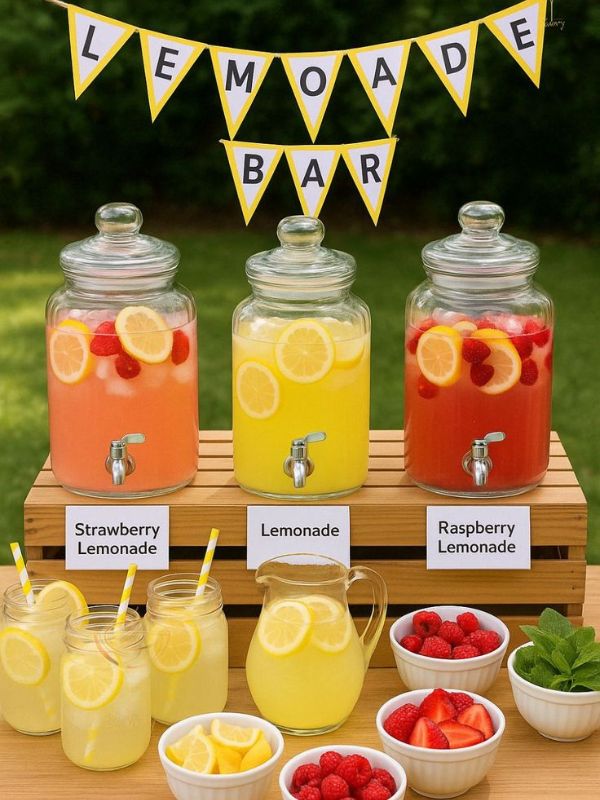
Homemade lemonade is a refreshing choice for a housewarming party, especially during warm weather. Its sweet and slightly tangy flavor makes it suitable for guests of different ages.
To prepare it, mix fresh lemon juice with water and sugar or your preferred sweetener. Stir until the sugar dissolves, then taste and adjust the sweetness. Chill the lemonade before serving, and add lemon slices for a simple finishing touch.
You can also experiment with flavors such as ginger, mint, cucumber, or pineapple. For example, a little fresh ginger gives the drink a stronger flavor, while mint makes it taste lighter and fresher.
Prepare a large batch in a clean pitcher or drinks dispenser so guests can serve themselves. Place cups nearby and keep extra lemonade refrigerated until needed.
Homemade lemonade is also budget friendly because you can prepare it in advance and serve several guests from one batch.
2. Fresh Fruit Punch

Fresh fruit punch adds color and flavor to your housewarming party drinks table. It works well for family gatherings, outdoor celebrations, and parties where you want a refreshing alternative to packaged beverages.
You can prepare fruit punch using pineapple juice, orange juice, apple juice, or other fruit juices you enjoy. Mix the juices in a large pitcher, then add small pieces of fresh fruit for extra flavor and an attractive appearance.
If you prefer a lighter drink, dilute the mixture with chilled water or sparkling water. Taste it before serving to determine whether it needs any additional sweetness.
For a beautiful presentation, use a clear pitcher or drinks dispenser and add orange slices, pineapple pieces, or strawberries. Keep the drink chilled and add ice shortly before serving to avoid excessive dilution.
If you are preparing fruit punch for many guests, make a small test batch first. This helps you find the right balance of flavors before preparing a larger quantity.
3. Iced Tea and Flavored Water

Iced tea and flavored water are excellent options if you want refreshing drinks that are simple to prepare and easy to serve.
For iced tea, brew your preferred tea, allow it to cool, and refrigerate it until cold. You can add lemon slices, mint leaves, or a small amount of sweetener depending on your taste. Serve it in a pitcher with ice for a refreshing drink.
Flavored water is even easier to prepare. Add slices of cucumber, lemon, orange, or fresh mint to a jug of drinking water. Refrigerate it for a short time to allow the flavors to develop.
These drinks are particularly useful for guests who prefer lighter refreshments instead of very sweet beverages.
Set up a small self service station with labeled pitchers, cups, and ice. If you are offering several drink choices, label each one clearly so guests can quickly find their preferred option.
4. Coffee and Tea Stations
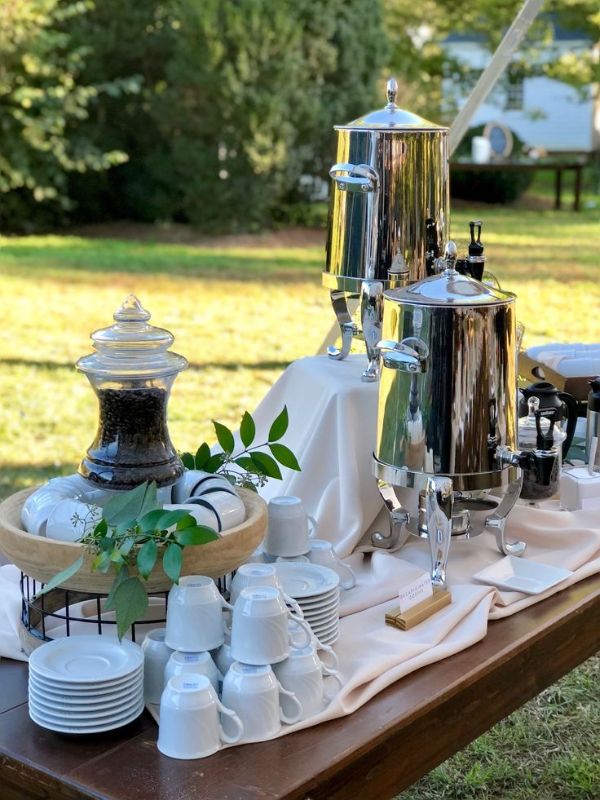
A coffee and tea station is a thoughtful addition to a housewarming party, especially if you are hosting a morning gathering, brunch, or relaxed afternoon event.
Set aside a small table or kitchen counter for hot drinks. Provide coffee, tea bags, hot water, sugar, milk, and suitable cups. You can also include honey, cinnamon, or other simple additions for guests who like to customize their drinks.
If you expect many guests, prepare the station before they arrive. Keep the supplies organized and make sure the area is easy to access without interfering with food preparation.
For an affordable setup, use the cups, spoons, and serving trays you already own. A small sign indicating the available drinks can make the station feel more organized.
Remember that hot drinks may not be necessary for every party. Consider the weather, time of day, and preferences of your guests before deciding whether to include them.
5. Mocktails for Guests

Mocktails are nonalcoholic drinks that combine fruit juices, sparkling water, herbs, and other ingredients to create attractive, flavorful refreshments.
They are a great choice if you want your housewarming party to feel special without serving alcohol. You can offer several options that look festive and taste refreshing.
For a simple pineapple mocktail, combine pineapple juice with sparkling water and a squeeze of lime. For a berry version, mix berry juice with lemonade and garnish with fresh berries. You can also prepare a cucumber and mint drink for a lighter option.
Serve mocktails in clean glasses or clear cups and add simple garnishes such as lemon slices, mint leaves, or fruit pieces.
You do not need complicated recipes or expensive ingredients. Choose one or two mocktails and prepare them in batches to save time.
If you have children attending, mocktails can be a fun way to make them feel included in the celebration. Keep the ingredients clearly identified and provide options that suit your guests’ dietary needs.
6. Soft Drinks and Sparkling Water

Soft drinks and sparkling water are convenient choices for a housewarming party because they require little preparation and offer familiar options for guests.
You can serve bottled or canned soft drinks alongside chilled sparkling water. If you prefer to reduce costs, purchase drinks in quantities that match your expected guest count and budget.
Place the drinks in a cooler filled with ice or arrange them in a refrigerator before the party. Keep extra supplies available so you can replenish the serving area when necessary.
Sparkling water can also be served with lemon, lime, cucumber, or mint to make it feel more special. This gives guests an option that is refreshing without being heavily sweetened.
When buying drinks, consider the other refreshments on your menu. If you are already serving fruit punch and lemonade, you may not need several additional sweet drinks.
Provide drinking water throughout the event. It is an essential option that guests can enjoy at any time.
7. Seasonal Drink Ideas

Choosing drinks based on the weather and season can make your housewarming party refreshments more enjoyable.
During hot weather, focus on chilled options such as lemonade, fruit punch, iced tea, coconut water, and flavored water. These drinks are refreshing and can be prepared in large batches.
For cooler weather or evening gatherings, consider hot chocolate, coffee, tea, or warm ginger drinks. These options can create a comfortable atmosphere when guests are spending time indoors.
You can also use seasonal fruits to reduce costs and add variety. Pineapple, oranges, watermelon, and other locally available fruits can be useful ingredients for homemade beverages.
Before the party, check which fruits are fresh and affordable in your area. Plan your drink menu around what is readily available instead of buying expensive ingredients for a complicated recipe.
Seasonal drinks allow you to serve refreshments that suit the occasion while keeping preparation simple and practical.
8. DIY Beverage Stations
A DIY beverage station allows guests to serve themselves, making your housewarming party easier to manage. Instead of preparing every glass individually, you can arrange several drink options in one accessible area.
Choose a sturdy table or kitchen counter and place your drinks in pitchers, dispensers, or clean bottles. Provide cups, napkins, ice, and suitable garnishes such as lemon slices or mint leaves.
You could offer lemonade, fruit punch, flavored water, and one additional drink. Keep the arrangement simple so guests can identify their options quickly.
Add small labels to each container, particularly if you are serving drinks with different ingredients. This can help guests choose drinks that suit their preferences.
Place the beverage station away from the main food preparation area to prevent crowding. If you are hosting outdoors, use a shaded location and keep perishable drinks properly chilled.
A DIY drinks station is especially useful for larger gatherings because it reduces your workload and allows guests to help themselves whenever they want refreshments.
9. Drinks for Outdoor Housewarming Parties
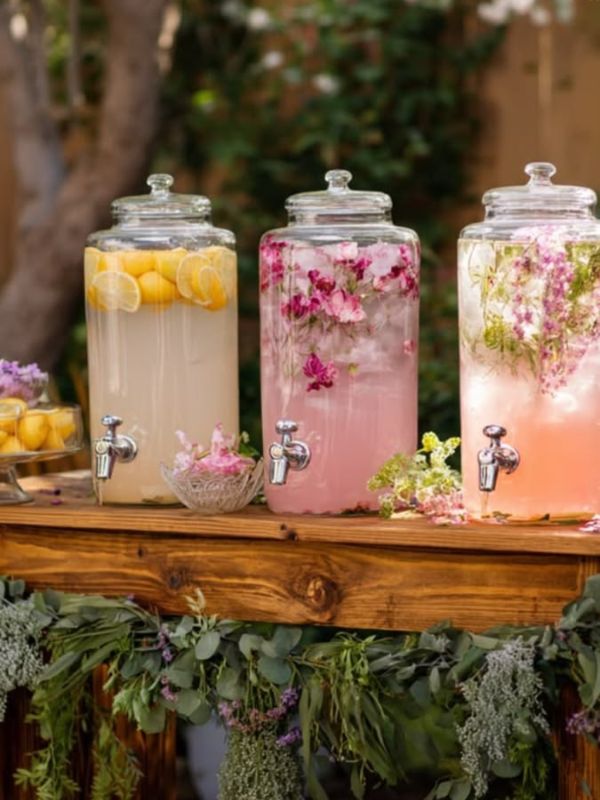
Outdoor housewarming parties often require extra attention to refreshments because guests may spend more time in the sun or warm weather.
Choose drinks that are easy to serve and keep cold. Lemonade, fruit punch, chilled water, iced tea, and coconut water are practical options for outdoor celebrations.
Use a cooler with ice or another suitable cooling method to keep drinks cold. Avoid leaving perishable beverages in direct sunlight for long periods.
You can arrange the drinks on a table with cups, napkins, and simple garnishes. If children will attend, place suitable nonalcoholic options where adults can supervise access.
For a larger gathering, estimate how many drinks each guest may need and keep extra drinking water available. Guests may consume more fluids during hot weather, especially if they are standing or participating in outdoor activities.
Keep the drinks area close enough to the seating space for convenience, but leave clear pathways so guests can move around comfortably.
10. Budget Friendly Drink Options

You can serve enjoyable housewarming party drinks without spending too much money. The best approach is to prepare a few drinks in larger batches and avoid buying more varieties than you need.
Homemade lemonade, fruit punch, iced tea, and flavored water are useful options because their ingredients are often affordable and easy to find.
Start by estimating your guest count. Then decide which drinks you want to serve and calculate how much of each one you need. Buying ingredients according to a plan helps prevent waste.
Use clean pitchers or dispensers you already own instead of purchasing special drink containers. You can make simple drinks look attractive by adding fresh fruit slices or placing them on a neatly arranged table.
Consider offering two homemade drinks, drinking water, and one or two popular packaged options. This gives guests enough choice without making your shopping list unnecessarily long.
You can also prepare some drinks ahead of time and refrigerate them. This saves time on the party day and helps you avoid last minute purchases.
The goal is to provide refreshing choices that your guests will enjoy while keeping your celebration affordable and manageable.
Final Tips for Serving Housewarming Party Drinks
Before choosing your drinks, consider the number of guests, the weather, your menu, and your available budget. Offer a mix of sweet and less sweet options, and make sure drinking water is easy to access.
Prepare drinks in advance whenever possible, label containers clearly, and keep beverages at suitable temperatures. Place cups, napkins, and ice near the serving area so guests can help themselves.
Most importantly, keep your drink menu simple. A few refreshing beverages served thoughtfully will help your guests feel welcome while allowing you to enjoy your housewarming celebration.
1. New Home Trivia
New home trivia is an entertaining game that allows guests to learn more about your journey into homeownership. It works particularly well when your guests know you well and enjoy sharing stories.
Before the party, prepare a list of questions about your new home and the process of moving in. You could ask questions such as, “Which room did we decorate first?”, “What was the first item we bought for the house?”, or “Which feature made us fall in love with this home?”
Write the questions on cards or read them aloud during the party. Guests can answer individually or form small teams. Give a small prize to the person who answers the most questions correctly if you want to make the game more competitive.
Keep the questions lighthearted and avoid anything that might embarrass you or your guests.
This activity is easy to organize because it requires little more than paper, pens, and a few minutes of preparation. It also gives you an opportunity to share interesting stories about your new home.
2. Guess the Room Game

The guess the room game is a simple activity that encourages guests to pay attention to the details of your new home.
To play, prepare questions about your rooms, furniture, or decorating plans. For example, ask guests to guess which room will become your favorite, where you plan to place a particular piece of furniture, or which room you decorated first.
You can make the game more interesting by showing guests a few close up photographs of different areas and asking them to identify each room. Alternatively, ask questions during a home tour and let everyone submit their answers.
This game works well for small gatherings because guests can participate while chatting and exploring the space.
If your home is still being arranged, use the opportunity to share your future plans. Guests may enjoy guessing your decorating choices or suggesting creative ways to use certain areas.
Keep the questions simple and make sure everyone has a fair chance to participate.
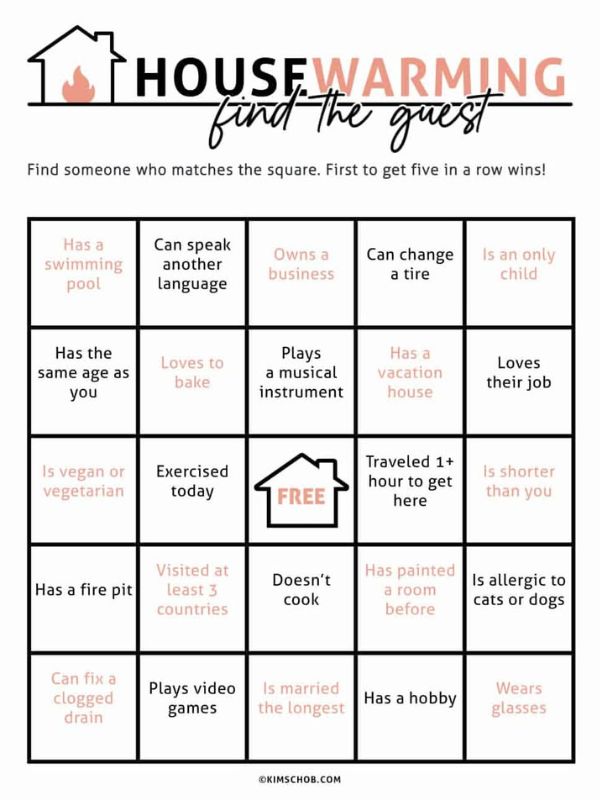
3. Housewarming Bingo
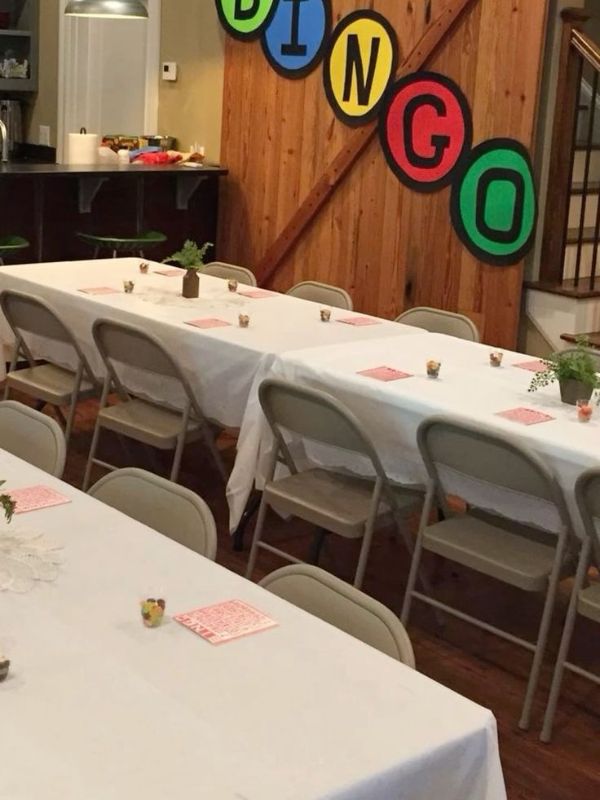
Housewarming bingo is a lively activity that works for friends, family members, and guests who may not know one another very well.
Create bingo cards containing statements related to moving, homeownership, and everyday household experiences. Examples include “Has moved house more than twice”, “Loves decorating”, “Owns a houseplant”, “Enjoys cooking”, and “Has assembled furniture.”
Give each guest a card and a pen. Ask them to mingle with other guests and find someone who matches each statement. Participants write the person’s name in the appropriate box.
The first person to complete a row or another pattern you choose calls out bingo. You can offer a small prize, such as a box of chocolates or a simple household item.
Prepare enough different cards so the game feels interesting. You can make them by hand or use a basic document template.
Housewarming bingo is particularly helpful when you invite people from different parts of your life. It gives everyone a reason to start conversations and discover shared interests.
4. Home Tour for Guests

A home tour is one of the most natural activities for a housewarming party because guests are often curious to see your new space.
Choose a convenient time to show guests the main areas of your home. You can point out your favorite features, explain any renovation plans, and share the story behind meaningful furniture or decorations.
If several guests arrive at the same time, you can give a short group tour rather than repeating the same information throughout the party. Keep it relaxed and allow guests to ask questions.
You do not need to show every room. If certain spaces are unfinished, private, or still filled with moving boxes, simply leave them out of the tour.
For a more engaging experience, explain what you hope to do with your favorite spaces in the coming months. Guests may enjoy hearing about your plans and sharing suggestions.
A home tour does not require special preparation beyond making the areas you plan to show clean and comfortable. It is a simple way to celebrate your achievement and help guests feel connected to your new home.
5. Memory and Advice Cards
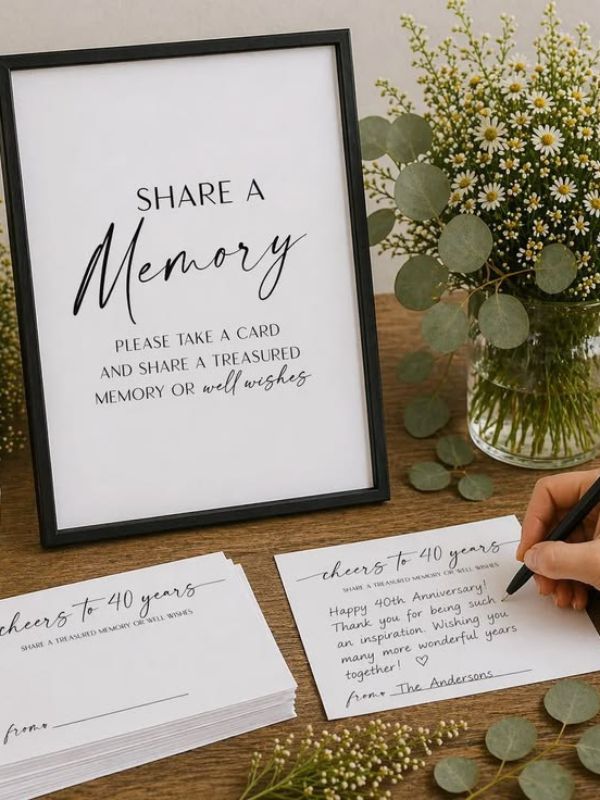
Memory and advice cards create a meaningful keepsake from your housewarming party. They allow guests to leave messages that you can read again long after the celebration ends.
Place blank cards, pens, and a decorative box on a small table. Invite guests to write a wish for your new home, share advice for maintaining a household, or offer a positive message for this new chapter of your life.
You can include prompts such as “My best advice for a happy home is…”, “I hope your home is always filled with…”, or “One thing that makes a house feel like home is…”
For a more personal touch, ask close friends and family members to share a favorite memory or a message of encouragement.
Once the party ends, collect the cards and keep them in a memory box or scrapbook. You can also place selected messages in a frame later.
This activity is inexpensive, easy to organize, and suitable for guests of different ages. It is especially meaningful for first time homeowners who want to remember the people who celebrated their milestone.
6. Housewarming Gift Guessing Game
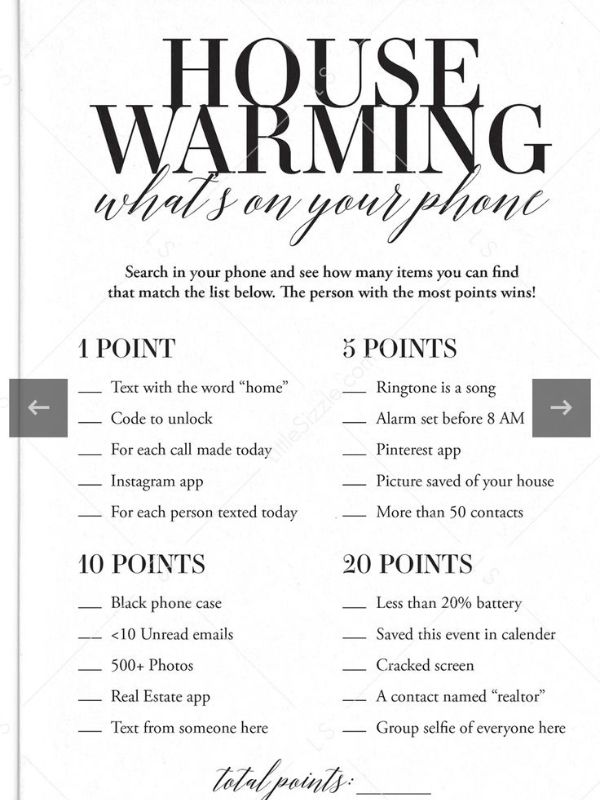
If you are receiving gifts during your housewarming party, a gift guessing game can add a little excitement to the celebration.
Ask guests who bring gifts whether they are comfortable participating. Choose a wrapped gift and invite everyone to guess what might be inside based on its size, shape, or weight.
You can also ask guests to write down their guesses before the gift is opened. The person with the closest answer wins a small prize or simply earns bragging rights.
Another option is to let guests guess the purpose of an unusual household item before you reveal it.
Keep the game optional because not everyone will bring a gift, and no guest should feel pressured to participate. The purpose of the gathering is to celebrate your new home, not to make gifts the center of attention.
If you are hosting a large group, limit the game to a few selected items so it does not interrupt the party for too long.
This activity works best when everyone understands that the fun comes from guessing and laughing together rather than comparing the gifts people bring.
7. Photo Booth Activities

A photo booth gives guests a chance to take pictures and create lasting memories of your housewarming celebration.
You can set up a simple photo area in a corner of your living room, near the entrance, or in your backyard. Choose a clean background and add a few decorations that match your party theme.
Provide simple props such as picture frames, paper signs, or cards with phrases like “New Home, New Memories” and “Home Sweet Home.” Guests can take individual photographs, group pictures, or fun family portraits.
You do not need a professional photographer. A smartphone and a stable stand can work well, especially if the area has good lighting.
If guests are comfortable sharing their pictures, create a shared album where they can upload their favorite moments after the party.
Keep the photo area away from busy walkways so it does not block guests who are carrying food or moving between rooms.
A photo booth is particularly useful if you want to remember who attended your celebration. It creates a collection of photographs that you can revisit as you continue making memories in your new home.
8. Conversation Starter Games

Conversation starter games help guests feel comfortable, especially when people from different parts of your life meet for the first time.
Prepare a set of question cards and place them in a bowl on the coffee table or dining table. Guests can take turns selecting a card and answering the question.
Choose friendly questions such as “What makes a house feel like home?”, “What is your favorite room in your current home?”, “What is the best meal to share with friends?”, or “What is one household item you cannot live without?”
You can also ask guests to share funny moving stories or describe their dream home.
Keep the questions lighthearted and appropriate for everyone attending. Avoid overly personal questions that might make people uncomfortable.
This activity works well during quieter moments when guests are eating or relaxing. You do not need to make everyone participate at once. Let people join naturally as the conversation develops.
Conversation starter games are especially helpful for small gatherings where you want everyone to interact rather than remain in separate groups.
9. Family Friendly Party Games
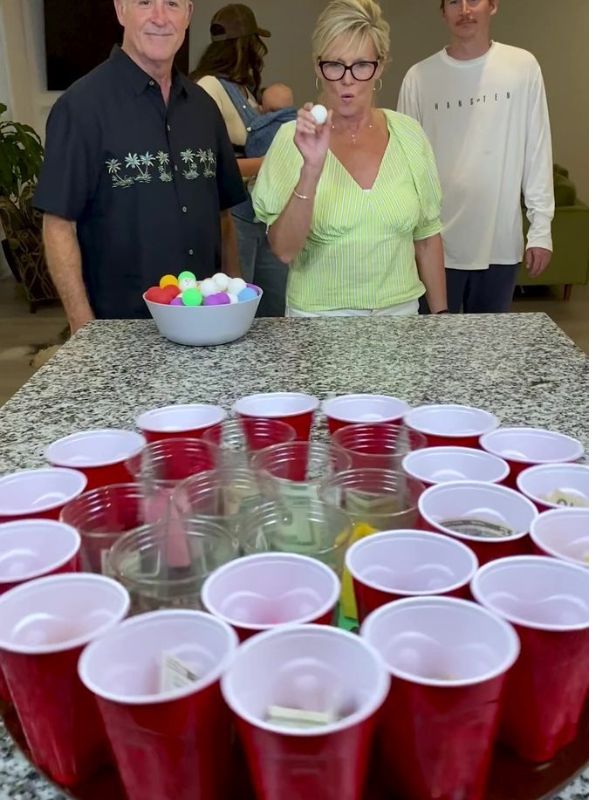
If children and adults will attend your housewarming party, family friendly games can help everyone enjoy the celebration together.
Choose activities that are simple to explain and do not require much equipment. Options include charades, a household item scavenger hunt, picture guessing, simple puzzles, or a general knowledge quiz.
For a scavenger hunt, create a list of safe objects that children can find in a designated area. Items could include a cushion, a book, a plant, or something with a particular color. Avoid asking children to search through private rooms, cupboards, or areas containing fragile items.
For charades, write familiar activities or household objects on pieces of paper. Players take turns acting them out while others guess the answer.
Keep games short enough to hold children’s attention and provide small rewards if your budget allows.
Before starting an activity, clear the playing area and remove fragile items. Choose games that suit the ages of the children attending.
Family friendly games help create a welcoming atmosphere where parents can socialize while children enjoy themselves safely.
10. Relaxed Activities for Small Gatherings
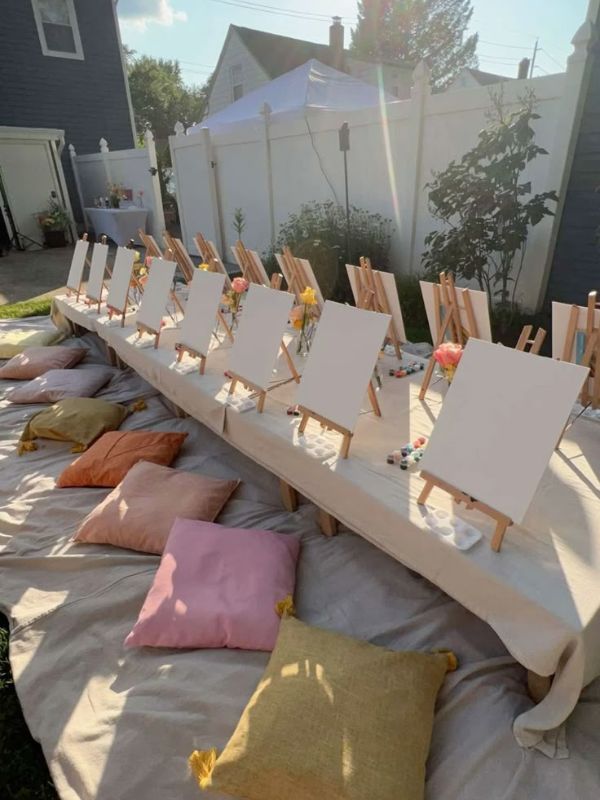
Not every housewarming party needs organized games. If you are hosting a small gathering, relaxed activities may be a better fit.
You could arrange a casual cooking session, invite guests to help decorate a small corner of your home, or organize a plant exchange where everyone brings a cutting or small plant if they wish.
Another option is a shared playlist. Ask guests to suggest songs that remind them of home, friendship, or happy memories. Play the selections in the background while everyone eats and talks.
You can also set up a simple board game table, serve desserts and coffee, or invite guests to share advice about making a new house comfortable.
Choose activities that match the interests of the people attending. If your guests prefer conversation, do not force everyone into a structured game.
The aim is to create opportunities for connection without making the celebration feel overly planned. Sometimes, good food, comfortable seating, and meaningful conversations provide all the entertainment you need.
Tips for Choosing the Best Housewarming Party Activities
Before selecting games, consider the size of your gathering, the ages of your guests, and the space available in your home.
Choose two or three activities rather than trying to include every game on your list. Prepare any materials in advance and explain the rules clearly so guests can participate without confusion.
Keep participation optional, especially if some guests prefer quiet conversations over group games. Provide enough room for people to move around and avoid activities that could damage furniture or disturb other residents.
Most importantly, allow the party to flow naturally. Your activities should bring people together, not distract from the main purpose of celebrating your new home.
With a few thoughtful games and simple activities, you can create an enjoyable housewarming party filled with laughter, conversation, and memories worth keeping.
Housewarming Party Ideas for New Homeowners
Choosing the right housewarming party ideas for new homeowners starts with thinking about the kind of celebration you want. You may prefer a quiet afternoon with close friends, a lively gathering with family, or a stylish party where everyone can enjoy good food, music, and conversation. The best housewarming party is one that suits your personality, fits your budget, and makes your guests feel welcome.
You do not need a fully furnished home or expensive decorations to host a memorable event. A clean space, comfortable seating, tasty refreshments, and thoughtful details can make a big difference. Here are ten housewarming party ideas to help you celebrate your new home in a way that feels special.
1. Cozy Housewarming Party Ideas

A cozy housewarming party is perfect for homeowners who want a relaxed and welcoming atmosphere. Instead of planning a large event, invite a few close friends and family members to enjoy good food, conversation, and time together in your new space.
Arrange comfortable seating in the living room with cushions and throw blankets. Add soft lighting, play gentle background music, and serve simple snacks such as sandwiches, pastries, popcorn, or homemade treats. You can also prepare tea, coffee, juice, or other drinks your guests enjoy.
To make the gathering more personal, invite everyone to share their favorite memories with you or offer a fun piece of advice for your new home. This idea works especially well if you are still unpacking and want to celebrate without putting too much pressure on yourself.
2. Simple Housewarming Party Ideas

If you prefer something easy to organize, a simple housewarming party can be just as memorable as a large celebration. The goal is to bring people together without spending too much time or money on preparations.
Start by choosing one main gathering area, such as your living room, dining room, or backyard. Clean the space, arrange enough chairs, and prepare a small selection of refreshments. You could serve finger foods, homemade snacks, soft drinks, and a simple dessert.
Keep your decorations minimal with fresh flowers, a welcome sign, or a few balloons. Send digital invitations to save money and make it easier to manage responses.
A simple party is especially suitable for first time homeowners who are still settling into their new house. Focus on enjoying your guests instead of trying to make every corner of the home look perfect.
3. Modern Housewarming Party Ideas
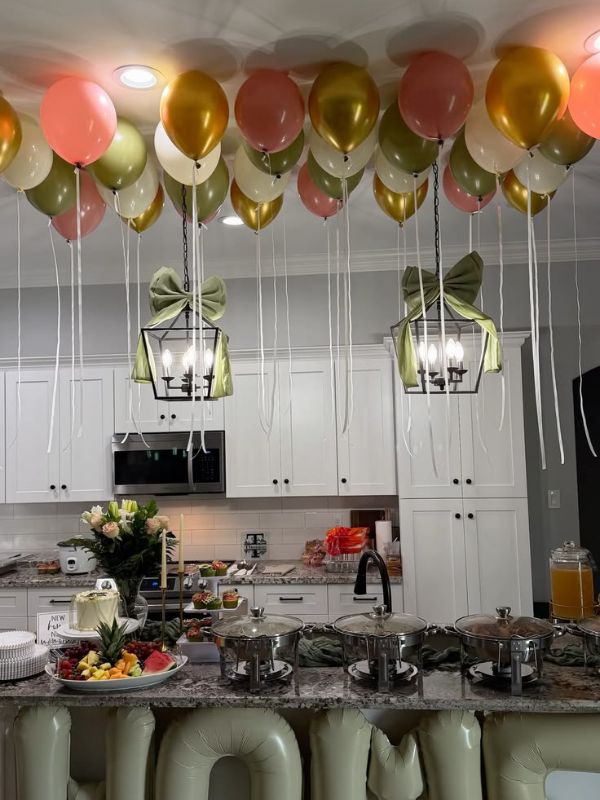
A modern housewarming party is ideal for homeowners who enjoy clean designs, stylish decorations, and a well organized space. You can create this look with a few carefully chosen details rather than buying lots of party supplies.
Choose a simple color scheme, such as white and beige, black and gold, or cream and green. Use matching tableware, understated centerpieces, and warm lighting to create a polished atmosphere. Arrange food and drinks on a neatly styled serving table so guests can help themselves.
For entertainment, create a playlist that matches the mood and set up a small photo area where guests can take pictures. You can also prepare a short home tour to show off your favorite features.
The key to a modern housewarming party is keeping the decorations coordinated and avoiding clutter. Let your home’s existing style guide your choices so the celebration feels natural rather than overdecorated.
4. Elegant Housewarming Party Ideas

An elegant housewarming party adds a touch of sophistication to your new home celebration. It works well for homeowners who want to host a refined gathering with attractive table settings, thoughtful refreshments, and a relaxed but polished atmosphere.
Start with a neutral color palette and add small touches of gold, silver, or greenery. Use clean tablecloths, simple floral arrangements, matching plates, and attractive serving dishes. If your budget allows, place name cards on the dining table or prepare a small welcome drink station.
For food, consider bite sized appetizers, mini sandwiches, pastries, fruit platters, and small desserts. Arrange everything neatly so the presentation looks inviting without requiring complicated recipes.
You can make the occasion feel more special by asking guests to dress smartly or choosing a specific dress code. However, keep the invitation clear so everyone knows what to expect.
Remember that elegance does not depend on expensive items. Clean surroundings, good organization, and thoughtful hospitality can make your celebration feel just as special.
5. Casual Housewarming Party Ideas
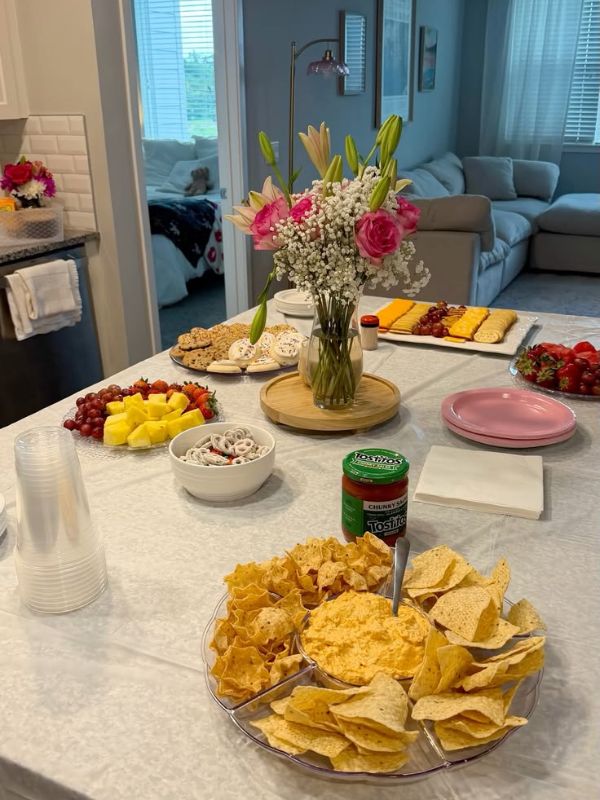
A casual housewarming party is perfect if you want everyone to relax, eat, talk, and enjoy your new home without following a strict schedule. This type of gathering is particularly suitable for close friends, neighbors, and family members.
Invite guests to come in comfortable clothing and plan an easy menu. Pizza, grilled food, sandwiches, meat pies, snacks, and homemade dishes are all practical options. You can serve the food buffet style to make it easier for people to eat whenever they are ready.
Play your favorite music, provide enough seating, and leave room for natural conversation. If your guests enjoy games, add a few simple activities such as cards, board games, or a guessing game about your new home.
A casual gathering also gives you more flexibility if your house is not completely furnished. You can focus on the rooms that are ready and keep other areas closed off while you continue settling in.
6. Family Friendly Housewarming Party Ideas
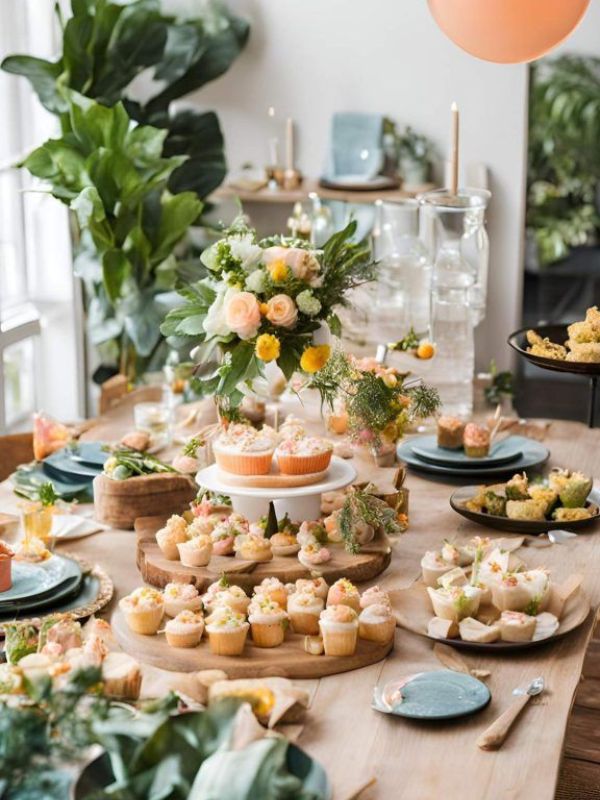
If children, parents, grandparents, and other relatives will attend, plan a family friendly housewarming party that offers something for different age groups.
Create a comfortable seating area for adults and set aside a safe space where children can play. Simple activities such as coloring, puzzles, building blocks, or family board games can keep younger guests occupied while adults socialize.
Choose food that is easy to serve and suitable for different ages. Mini sandwiches, fruit, small pastries, rice dishes, grilled chicken, and simple desserts are useful choices. Remember to ask about allergies and dietary needs before finalizing your menu.
You can also organize a family photo session in your new home or invite everyone to write a short message for you to keep as a memory of the occasion.
When planning this type of party, consider accessibility, comfortable seating, and enough space for children to move around safely. A little preparation helps everyone enjoy the celebration.
7. Outdoor Housewarming Party Ideas
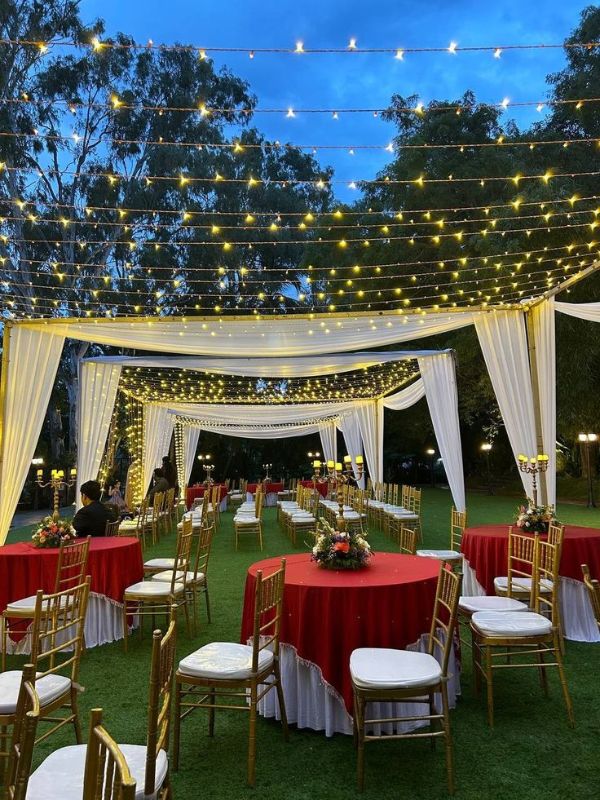
If your new home has a garden, patio, balcony, or spacious yard, an outdoor housewarming party can provide extra room for guests and create a relaxed atmosphere.
Arrange chairs and tables in a shaded area, add outdoor lights if the event will continue into the evening, and decorate with potted plants or simple floral arrangements. You can serve grilled food, snacks, fresh fruit, and chilled drinks.
Outdoor gatherings also provide room for activities such as lawn games, music, group photographs, or casual conversations away from the main living area.
Before the party, check the weather forecast and prepare an alternative indoor space in case of rain or excessive heat. Provide enough lighting for evening gatherings and keep walkways clear.
If you live in a shared building, confirm any rules about noise and the use of common outdoor spaces. These small steps can help your guests enjoy the party comfortably.
8. Themed Housewarming Party Ideas
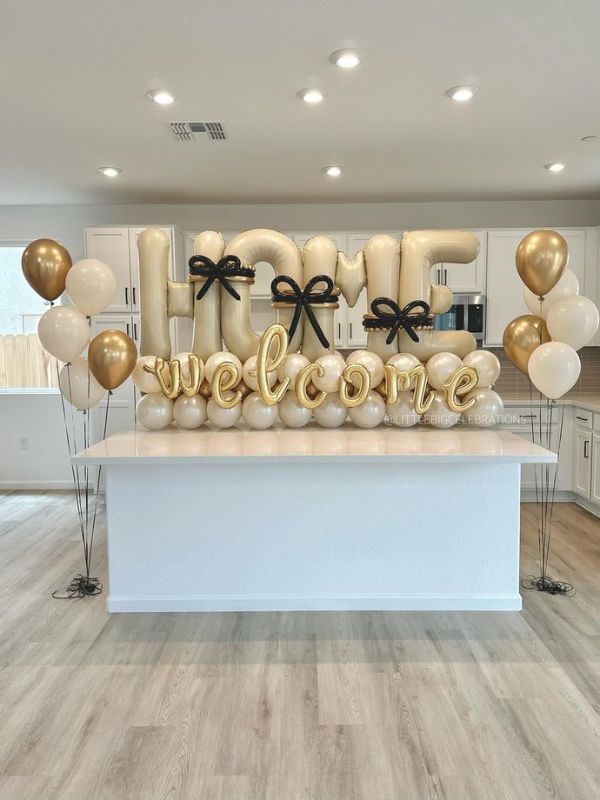
A themed housewarming party gives your celebration a clear style and makes planning easier. Once you choose a theme, you can use it to guide your decorations, menu, invitations, music, and even your guests’ outfits.
Consider a tropical theme with fresh fruit, bright colors, and refreshing drinks. A garden party theme works well with greenery, flowers, and light snacks. For a movie night theme, prepare popcorn, easy finger foods, comfortable seating, and a selection of favorite films.
You could also choose a favorite color theme, a brunch gathering, or a traditional cultural celebration that reflects your background.
Keep the theme simple enough to manage within your budget. You do not need to decorate every room or purchase matching items for everything. A few consistent details can create the right atmosphere.
Include the theme in your invitation so guests know what to expect and can participate if they wish.
9. Small Housewarming Party Ideas
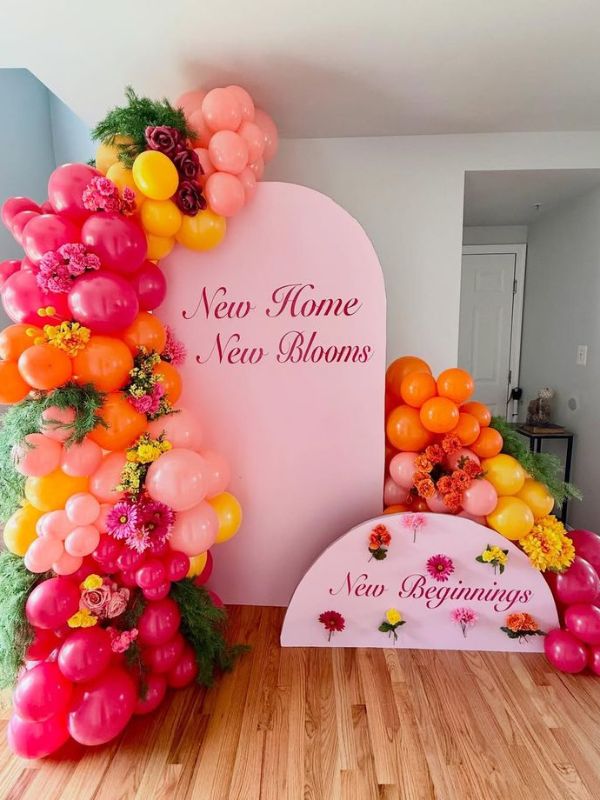
A small housewarming party is an excellent choice if you have limited space, a tight budget, or a preference for intimate gatherings. Inviting a few important people allows you to enjoy meaningful conversations without worrying about managing a large crowd.
Choose a guest list based on the available space and arrange seating so everyone can interact comfortably. A small lunch, afternoon tea, dessert gathering, or evening snack party can work well.
Prepare a limited menu of dishes you can make ahead of time. For example, serve sandwiches, pastries, fruit, cake, and drinks instead of attempting a full meal with several courses.
You can make the gathering memorable by giving guests a tour of your home, sharing what you love about the new space, or taking a group photograph.
The most important thing is to avoid overcrowding your rooms. A smaller guest list often means less cleaning, less spending, and more time to enjoy the people who matter to you.
10. Unique Housewarming Party Ideas
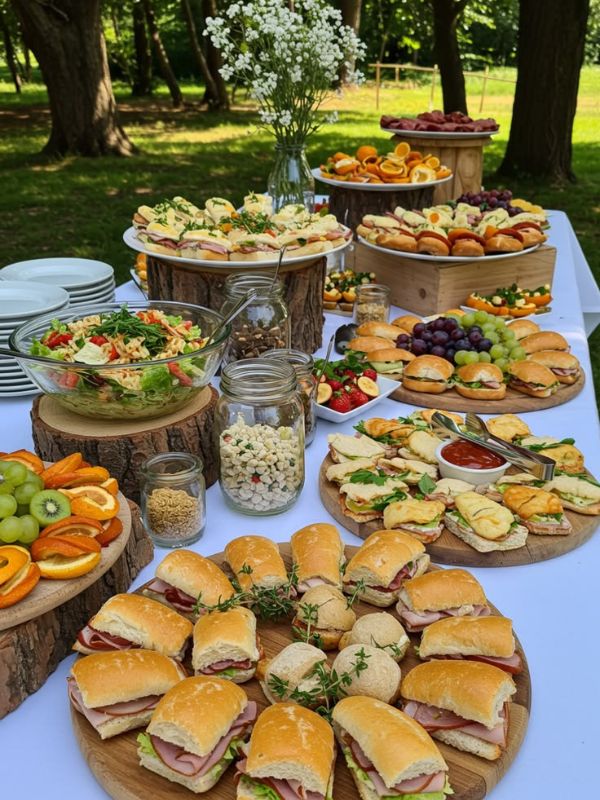
If you want your celebration to stand out, consider a unique housewarming party that reflects your interests or helps you create lasting memories with your guests.
One idea is a home blessing or gratitude gathering where friends and family share kind wishes for your new beginning. You could also host a potluck party where each guest brings a favorite dish, reducing the amount of food you need to prepare.
Another option is a housewarming memory station. Provide cards and pens so guests can write advice, encouragement, or good wishes for your home. Keep the messages in a box or scrapbook to read later.
For a more interactive event, organize a mini home tour followed by a friendly guessing game about your favorite room, the first item you bought for the house, or your future decorating plans.
You could also arrange a plant exchange, a DIY decorating activity, or a cooking session with close friends.
Choose an activity that feels natural to you and your guests. A unique party does not have to be complicated. Sometimes, one thoughtful activity is enough to make the celebration memorable.
How to choose the best idea
Before settling on a housewarming party style, consider three things: your budget, the number of guests, and how ready your home is for visitors. Choose an idea you can manage comfortably, then add personal touches that make the occasion feel like yours.
With the right plan, even a small gathering can become a wonderful way to celebrate your new home and begin making happy memories.
If your guests enjoy games, consider housewarming bingo, home trivia, conversation cards, or a guessing game about your new home. For a relaxed gathering, invite guests to write good wishes or helpful home tips on cards that you can keep as souvenirs.
A short home tour is another popular option. Show guests your favorite features and share a little about your plans for the space. You do not have to show unfinished or private areas.
How to Plan a Housewarming Party Step by Step
Planning a housewarming party does not have to be stressful or expensive. With a clear plan, you can welcome friends and family into your new home while keeping your spending under control. The secret is to handle the important details early, from choosing a date to preparing food and arranging your space.
If you are hosting a small gathering or a lively celebration, these ten steps will help you organize a housewarming party that feels welcoming, runs smoothly, and gives you time to enjoy your guests.
1. Choose the Best Date and Time
The first step is to choose a date and time that work for you and your guests. Avoid rushing to host a party immediately after moving in. Give yourself enough time to unpack essential items, clean the main rooms, and make your home comfortable for visitors.
Weekends are often convenient because many guests have more free time. An afternoon party works well for snacks, drinks, and casual conversations, while an evening gathering is suitable for dinner, music, and entertainment.
Consider your guests’ schedules and check whether any important events might conflict with your chosen date. If you are inviting several people, ask about their availability before making a final decision.
Once you settle on a date, share it with your guests early so they can plan to attend.
2. Set a Realistic Housewarming Party Budget
Before buying decorations or planning an elaborate menu, decide how much you can comfortably spend. Moving into a new home often comes with expenses such as furniture, appliances, repairs, and utility bills. Your housewarming party should not create unnecessary financial pressure.
Divide your budget into key categories, including food, drinks, decorations, seating, entertainment, and cleaning supplies. Allocate more money to the things that matter most to you.
For example, if you enjoy cooking, you might spend more on food and keep decorations simple. If you prefer a stylish setting, use affordable refreshments and focus on a few attractive decorative pieces.
Look for ways to save money by using items you already own, making homemade snacks, and creating digital invitations. You can also ask guests to bring a dish if you are comfortable hosting a potluck.
Keep a record of your spending as you plan. This helps you avoid unnecessary purchases and ensures you stay within your limit.
3. Create a Guest List
Your guest list determines the size of your party, the amount of food you need, and how much space you must prepare.
Start with the people you genuinely want to celebrate with. These may include close friends, family members, neighbors, colleagues, or people who helped you move into your new home.
Next, consider the available space. If your living room can comfortably accommodate only a small group, there is no need to invite more people than the room can hold. A smaller gathering can be just as enjoyable as a large party.
Think about the kind of experience you want to create. A relaxed celebration with close friends may require fewer arrangements, while a larger gathering might need extra seating, more refreshments, and a clearer serving plan.
Make a preliminary guest list and leave room for changes until people confirm their attendance. Knowing your likely guest count will make the remaining planning steps much easier.
4. Choose a Party Theme
A housewarming party theme helps you create a consistent look and makes decisions about decorations, food, invitations, and activities easier.
You can choose a simple theme that suits your personality and home. Popular options include a cozy gathering, garden party, modern celebration, brunch party, tropical theme, or casual movie night.
For example, a garden theme might feature potted plants, fresh flowers, light refreshments, and outdoor seating. A cozy theme could include warm lighting, comfortable cushions, homemade snacks, and relaxing music.
You do not have to spend extra money to follow a theme. Use your existing furniture, tableware, and decorations wherever possible. A few coordinated colors or carefully chosen details can create the look you want.
Choose a theme that fits your budget, available space, and the type of guests you are inviting. Keep it simple enough to organize without adding unnecessary work.
5. Send Housewarming Party Invitations
Once you have chosen your date, guest list, and theme, send your invitations. Early invitations give guests enough time to arrange their schedules and help you estimate how many people will attend.
Your invitation should include the date, starting time, address, and any useful information about parking or entry arrangements. If you are hosting a themed party or have a dress code, mention it clearly.
Digital invitations are a convenient and affordable option. You can send them through messaging apps, email, or digital invitation platforms. Printed invitations may be suitable if you prefer a more formal approach.
Ask guests to confirm their attendance by a specific date. This helps you plan the food, drinks, and seating more accurately.
If you prefer not to receive gifts, you can politely mention that their presence is enough. If you are comfortable receiving gifts, keep the invitation friendly rather than making anyone feel obligated to bring something.
6. Prepare Your Home for Guests
Your home does not need to be completely decorated or fully furnished before you host a housewarming party. However, the main areas guests will use should be clean, comfortable, and easy to navigate.
Begin with the living room, kitchen, guest bathroom, and entrance. Remove unnecessary clutter, wipe surfaces, clean the floors, and make sure the bathroom has soap, toilet paper, and a clean hand towel.
Arrange furniture to create enough room for guests to sit, stand, and move around without difficulty. Put away fragile items and keep personal belongings in a secure area.
If some rooms are still being organized, you can simply keep those doors closed. Focus on the areas you plan to use rather than trying to finish the entire house at once.
Finally, add a few welcoming touches, such as fresh flowers, clean cushions, soft lighting, or a small welcome sign. These details can make your home feel inviting without requiring expensive purchases.
7. Plan Food and Drinks
Food and drinks are important parts of most housewarming celebrations, so choose options that match your budget, guest count, and party schedule.
For a short afternoon gathering, you may only need finger foods, pastries, fruit, snacks, and drinks. If your party falls around lunchtime or dinner, consider serving a more substantial meal.
A buffet is often practical because guests can serve themselves while you spend time socializing. Choose dishes that are easy to prepare, serve, and eat without creating too much mess.
Whenever possible, prepare some items the day before. You can wash fruit, arrange serving dishes, prepare sauces, and make desserts in advance. This reduces the amount of work you need to do while guests are arriving.
Remember to ask about food allergies and dietary preferences. Provide enough drinking water and nonalcoholic options so everyone has something to enjoy.
Most importantly, avoid preparing too many dishes. A small, well-planned menu is easier to manage than a large spread that stretches your budget and keeps you in the kitchen all day.
8. Arrange Seating and Party Spaces
Before your guests arrive, think about how they will use your home. A well-arranged space makes it easier for people to relax, eat, and interact.
Place chairs and sofas where guests can talk comfortably. If you expect more people than your usual seating can accommodate, consider borrowing extra chairs from friends or family.
Create a separate area for food and drinks if space allows. This prevents people from crowding around one table and makes refreshments easier to access.
You can also set aside a small space for bags, shoes, and coats, depending on your home layout. Keep entrances, hallways, and walkways clear so guests can move safely.
If you are hosting children or older relatives, consider their needs when arranging the furniture. Make sure they have comfortable seating and easy access to the bathroom.
You do not need to make every room available. Concentrate on the spaces that support the activities you have planned.
9. Organize Activities and Entertainment
You do not need a packed entertainment schedule to host a successful housewarming party. A few simple activities can help guests connect and make the celebration more enjoyable.
Start with background music that suits the atmosphere. You can create a playlist before the party so you do not have to keep selecting songs during the event.
If your guests enjoy games, consider housewarming bingo, home trivia, conversation cards, or a guessing game about your new home. For a relaxed gathering, invite guests to write good wishes or helpful home tips on cards that you can keep as souvenirs.
A short home tour is another popular option. Show guests your favorite features and share a little about your plans for the space. You do not have to show unfinished or private areas.
Choose activities that match your guest list. A family gathering may benefit from games for children, while an adult gathering may be better suited to conversation and music.
Keep everything flexible. The purpose of entertainment is to help people enjoy themselves, not to make the party feel like a strict schedule.
10. Prepare a Party Day Checklist
A party day checklist helps you remember the small details that can easily be forgotten when you are busy preparing your home.
Write down your remaining tasks and complete the most important ones first. This keeps you organized and reduces last-minute stress.
Your checklist can include the following tasks.
1. Clean the main rooms and guest bathroom.
2. Arrange chairs, tables, and serving areas.
Prepare or collect the food and drinks.
3. Set out plates, cups, napkins, and cutlery.
4. Check the lighting, music, and ventilation.
5.Make sure the entrance and walkways are clear.
6. Put away valuables and fragile items.
7. Set up decorations and any planned activities.
8. Confirm any food deliveries or help from friends.
9. Get dressed and leave yourself time to relax before guests arrive.
Try to finish most cleaning and decorating the day before. On the party day, focus on food preparation, final arrangements, and welcoming your guests.
If possible, ask a trusted friend or family member to help with serving refreshments or tidying up during the event. You do not have to handle every task alone.
Final planning tip
The best housewarming party is not the one with the most expensive decorations or the largest guest list. It is the one that suits your home, respects your budget, and allows you to celebrate this important milestone with people you care about.
Plan the essentials early, keep your arrangements simple, and remember to enjoy the celebration yourself.
Frequently Asked Questions About Housewarming Parties
Planning a housewarming party can bring up questions about timing, invitations, food, gifts, and what to do when your home is not fully furnished. These frequently asked questions will help you make the right decisions and host a welcoming celebration without unnecessary stress.
What Is a Housewarming Party?
A housewarming party is a gathering where homeowners invite family, friends, neighbors, and loved ones to celebrate their new home. It is an opportunity to show guests around, enjoy food and drinks together, and create happy memories in your new space. The celebration can be simple or elaborate, depending on your budget and preferences.
When Should You Have a Housewarming Party After Moving In?
You can host a housewarming party a few weeks or months after moving in. There is no strict deadline. Choose a time when you have unpacked the essentials, cleaned the main areas, and made the home comfortable for visitors. If you are still settling in, consider hosting a small gathering first and planning a bigger celebration later.
Who Should You Invite to a Housewarming Party?
Invite people you genuinely want to share your new home with. Your guest list may include close friends, relatives, colleagues, and neighbors. Consider the size of your home before inviting everyone you know. A smaller guest list can make the event more relaxed and allow you to spend quality time with each person.
What Should You Serve at a Housewarming Party?
Serve food that suits your budget, the number of guests, and the time of the event. Finger foods, small chops, sandwiches, meat pies, fruit platters, and snacks are convenient for casual gatherings. For a larger celebration, you can prepare dishes such as jollof rice, fried rice, moi moi, grilled chicken, and plantain. Include water and a variety of drinks, and consider any dietary restrictions your guests may have.
Do You Need to Decorate Your Home for a Housewarming Party?
No, elaborate decorations are not necessary. A clean, organized home can feel welcoming without expensive party supplies. You can add fresh flowers, a simple welcome sign, balloons, or soft lighting to create a festive atmosphere. Focus on the entrance, living room, and food area rather than decorating every room.
Should Guests Bring Gifts to a Housewarming Party?
Housewarming gifts are common, but guests should not feel obligated to bring them unless the invitation clearly states otherwise. Useful gifts include kitchen towels, storage baskets, indoor plants, cleaning supplies, candles, and kitchen utensils. If you are hosting, avoid making guests feel that a gift is required. Their presence and good wishes are enough.
How Much Does It Cost to Host a Housewarming Party?
The cost depends on your guest count, menu, decorations, venue, and entertainment. You can host an affordable gathering at home with homemade food, simple decorations, and a small guest list. Set a budget before shopping and prioritize essentials such as food, drinks, seating, and cleaning supplies. Avoid spending money on decorations or activities that do not add much value to the celebration.
How Long Should a Housewarming Party Last?
Most casual housewarming parties last about two to four hours, although the timing depends on the type of gathering. A brunch may last two hours, while an afternoon party could continue into the evening. Include the start and end times on your invitation so guests know what to expect. This also helps you plan food, activities, and cleanup.
What If My New Home Is Not Fully Furnished?
You can still host a lovely housewarming party even if your home is not completely furnished. Arrange the available chairs, use cushions or floor seating where appropriate, and keep guests in the rooms that are ready. Serve easy-to-eat food and choose simple activities that do not require much space. If necessary, invite fewer people until you have settled in properly.
How Can I Make My Housewarming Party Memorable?
Make your party memorable by creating a comfortable atmosphere where guests can connect and enjoy themselves. Give a brief tour of your favorite spaces, prepare food your guests will enjoy, and organize a simple game or photo activity. You can also provide advice cards where guests write wishes or practical tips for your new home. Most importantly, spend time with your visitors instead of worrying about making everything perfect.
Final Tips for Hosting a Successful Housewarming Party
A successful housewarming party does not depend on an expensive menu, elaborate decorations, or a perfectly furnished home. It depends on thoughtful planning and making your guests feel welcome. Start with a realistic budget, invite a manageable number of people, prepare your essential spaces, and choose food and activities that fit your gathering. With these simple steps, you can celebrate your new home while creating memories that last.
Conclusion
A housewarming party is a wonderful way to celebrate your new home and create lasting memories with family, friends, and neighbors. With the right planning, you can host a warm and enjoyable gathering without spending too much money or stressing over every detail.
Start by setting a realistic budget, choosing a suitable date, planning simple food and drinks, and making your space comfortable for guests. Add thoughtful decorations and fun activities that reflect your personality. Remember, your home does not have to be perfect to welcome the people you love.
Use this housewarming party blueprint to plan a celebration that suits your style, makes your guests feel welcome, and gives you a beautiful start in your new home.